ps logo
EN
BM
ps logo
EN
BM
EV Car Insurance in Malaysia: What's Different and What to Look Out For (2026)
Guides | 02 Apr 2026

Why EV Insurance Isn’t the Same as Regular Car Insurance 

Electric vehicles (EVs) may look like normal cars on the outside, but what’s under the hood is completely different. 

The biggest difference? The battery. It is the most expensive component of an EV and can make up a large portion of the car’s value. 

While traditional insurance already covers accidents and thefts, EV owners need to pay extra attention to: 

  • Battery-related risks 

  • Charging-related incidents 

  • Higher repair costs due to specialised parts 

This is where EV-specific coverage becomes important. 

Manufacturer Warranty ? Full Protection 

Most EV brands offer warranties, especially for the battery (often 6-8 years). Sounds great, right? 

Here’s the catch: 

Warranties usually cover: 

  • Manufacturer defects 

  • Battery performance degradation 

They do NOT cover: 

  • Accidents

  • External impact (e.g. collisions) 

  • Floor or fire 

  • Theft or vandalism

If your battery is damaged in an  accident, you’ll be relying on your insurance policy, not the manufacturer. 

The Real Risk: Battery Damage 

Battery damage is one of the biggest financial risks EV owners face. 

Even a minor accident can result in: 

  • Expensive battery inspections 

  • Partial or full battery replacement

  • Higher labour costs due to specialised handling 

Unlike regular car parts, EV batteries are: 

  • Complex 

  • Costly

  • Not easily repairable 

That’s why standard coverage may not always be enough. 

Grey electric car parked on a charging bay

What IS “Battery Protection” in EV Insurance?

“Battery Protection" (or EV-specific add-ons) is designed to cover damage to your EV’s battery due to external events. 

Depending on the insurer, this can include: 

  • Accidental damage 

  • Fire or explosion 

  • Water damage (especially in flood-prone areas) 

  • Theft-related damage 

Without these add-ons, you could end up paying a significant amount out-of-pocket. 

EV Insurance Options in Malaysia (2026) 

Some insurers in Malaysia have already started adapting their policies for EV owners. 

Allianz Malaysia 

Allianz Malaysia offers EV coverage that includes optional battery protection add-ons. 

Their plans are structured to account for higher EV repair costs and specialized servicing needs. 

Etiqa (Maybank Group) 

Etiqa also provides EV insurance solutions, with flexible add-ons that can be tailored to cover battery-related risks and other EV-specific concerns. 

Since EV insurance is still evolving, coverage details can differ, so always check what’s included (and excluded). 

What EV Owners Should Look Out For 

Before you renew or purchase EV insurance here are key things to check: 

1.Battery Coverage 

Make sure your policy (or add-on) covers battery damage caused by accidents or external factors. 

2.Sum Insured Accuracy 

EVs tend to depreciate differently, ensuring your sum insured reflects the current market value.  

3.Repair Network 

Check if the insurer works with certified EV  repair centres. EV repairs require specialised expertise. 

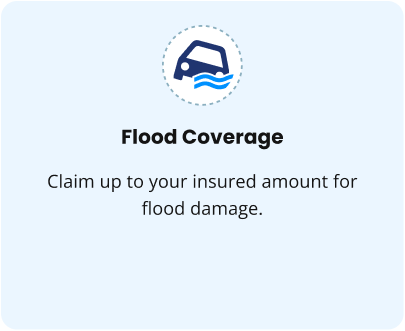
4. Flood Coverage

With Malaysia’s unpredictable weather, flood protection is especially important for EVs. 

5. Towing & Assistance 

EVs may need specific towing methods, look for policies that include proper roadside assistance. 

Enhance Your Coverage With Drive+ Benefits 

Drive+ is PolicyStreet’s car-owner membership program created to help Malaysians save money and reduce hassle when renewing car insurance and road tax online.

When renewing your car insurance with PolicyStreet, you can choose from three Drive+ membership tiers, starting from RM39.90, depending on how much you want to save.

Each Drive+ tier gives you a road tax discount every year:

  • Drive+ Lite: Up to RM50 off

  • Drive+ Standard: Up to RM90 off

  • Drive+ Premium: Up to RM120 off

Higher tiers offer bigger savings, making them especially worthwhile for drivers with higher road tax amounts.

Beyond road tax discounts, Drive+ members enjoy exclusive renewal discounts when using Atome or EPP payment options for car insurance. Members also benefit from waived road tax processing fees and access to exclusive member vouchers and perks. These benefits help drivers reduce upfront costs, avoid extra fees, and manage rising car expenses more effectively.

In short, Drive+ turns a routine insurance and road tax renewal into a smarter, more affordable car ownership experience.

Drive+ Membership Tiers and Bateriku Benefits

Beyond the headline savings, Drive+ comes with practical perks that make everyday car ownership easier.

One standout benefit is the RM40 Bateriku voucher you receive with every Drive+ renewal. This voucher can be used for car battery replacements through Bateriku, Malaysia’s on-demand battery service.

Typically, the RM40 value is structured as:

  • RM20 off a new battery

  • RM20 trade-in rebate

You can redeem it via the Bateriku app or at selected Bateriku service points. Drive+ vouchers can also be stacked with Bateriku promo codes available on their app or website (such as seasonal campaigns like CUTI40, subject to terms and conditions).

If your battery is due for a replacement, this perk alone can deliver real, immediate savings, not just discounts on paper.

Are EVs More Expensive to Insure? 

This is mainly due: 

However, as EV adoption increases in Malaysia, insurance options are expected to become more competitive and tailored. 

What EV Owners Should Take Away

Switching to an EV is a smart move, but your insurance to keep up. 

Manufacturer warranties may give peace of mind, but they don’t replace proper insurance coverage, especially when it comes to battery damage. 

As EV insurance continues to evolve in Malaysia, the key is simple: Understand what you’re covered for, and what you’re not
When it comes to EVs, one overlooked detail could cost you a lot more than expected. Hence, stay educated and enjoy your drive. 

Frequently Asked Questions

1. Is EV car insurance more expensive in Malaysia? 

It can be. EVs are generally more expensive to repair due to specialised parts and limited workshops. The battery alone can cost a significant amount to replace. However, the final premium depends on factors like your car model, coverage type, and add-ons such as Battery Protection. 

2. Does standard car insurance cover EV batteries? 

Not always., Standard comprehensive policies may not fully cover battery damage caused by accidents, floods, or external impact. That’s why many insurers offer a Battery Protection add-on, which specifically covers the EV battery, one of the most expensive components of the car. 

3. What happens if my EV runs out of battery on the road?

If your policy includes roadside assistance, your insurer can arrange towing to the nearest charging station or authorized workshop. Unlike petrol cars, you can’t simply “refuel” on the spot, so having towing coverage is especially important for EV owners. 

4. Does EV insurance cover charging-related damage?

Not always. Standard car insurance policies may not cover damage caused during charging, such as power surges, faulty home chargers, or public charging station issues. Some insurers add-ons or extended coverage that include charging-related risks, so it’s important to check your policy details. If you frequently use public or home charging setups, having this protection can help avoid unexpected repair costs. 

The benefit(s) payable under eligible certificate/policy/product is(are) protected by PIDM up to limits. Please refer to PIDM’s TIPS Brochure or contact Allianz General Insurance Company (Malaysia) Berhad or PIDM (visit www.pidm.gov.my).
Payment Methods:
Grab PayBoostShopbackSPayLaterVisaMasterCardFPXTouch N GoSPayAtomeGrab Pay LaterAHA Pay Later
Banks for EPP (3/6/12 months):
maybankcimbbankrhb bankambankhsbcocbc bankpublic bankAffin Bankhluobstdchartered
Quotation and Policy issued by PolicyStreet Malaysia, a brand under Polisea Sdn. Bhd. (Reg No. 201601041144 (1212085-T)) a Financial Adviser approved by Bank Negara Malaysia.