
How Insurance Payouts Are Calculated
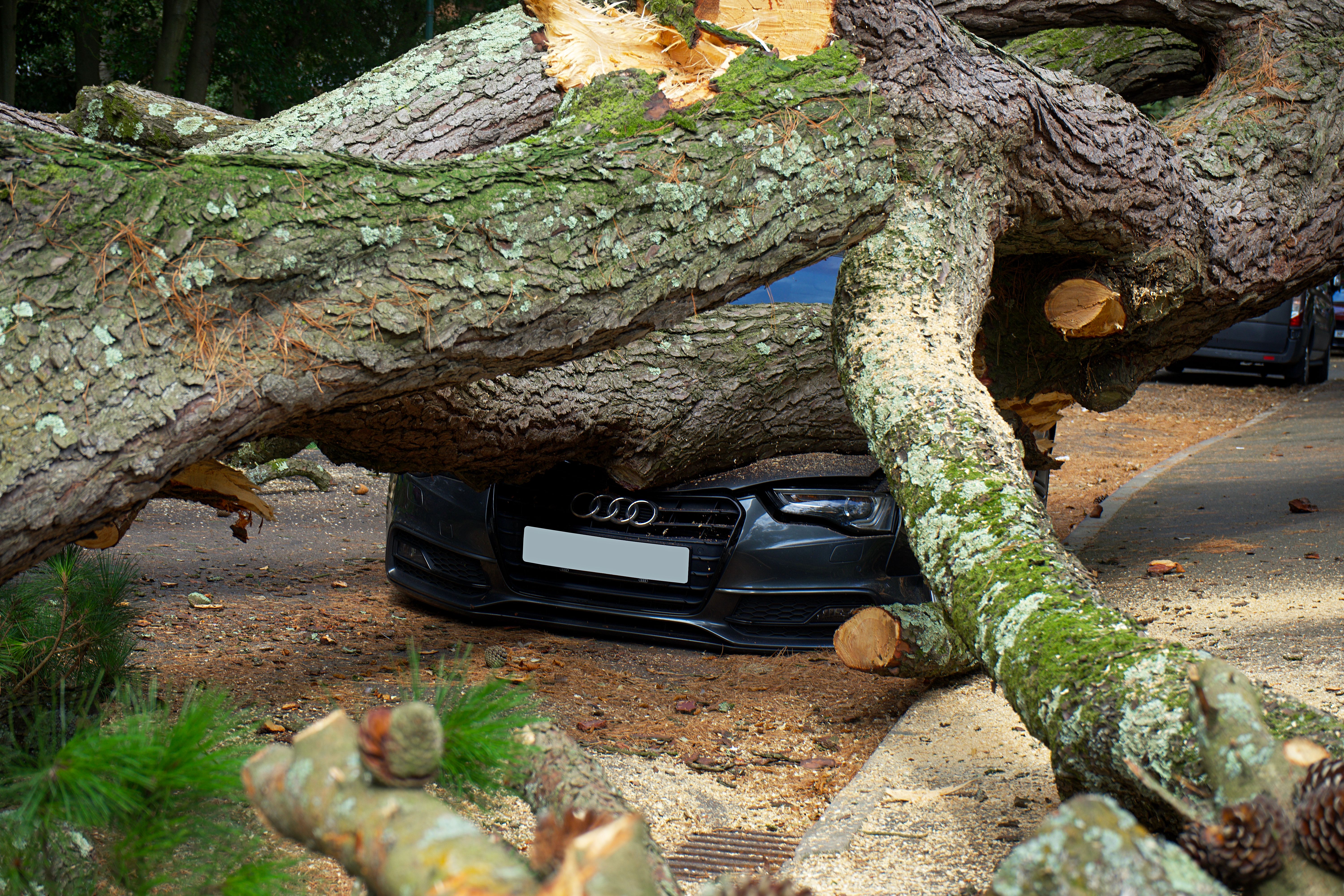
When a car is badly damaged, the insurer may classify it as Beyond Economic Repair (BER) or Actual Total Loss (ATL). In simple terms, BER means the repair cost is not economical compared with the car’s value, while ATL means the car is treated as a total loss claim. PIAM’s consumer education explains both terms as key parts of the total-loss claim process in Malaysia.
How payout is usually calculated
Your payout depends on the basis of cover in your policy and the insurer’s valuation method. In Malaysia, motor insurance commonly uses market value or agreed value. Market value is the car’s depreciated worth at the time of loss, while agreed value is the amount fixed at the start of the policy. Always check your sum insured, policy wording, and any applicable excess.
What affects the payout
The insurer may look at:
your car’s market value at the time of loss
vehicle age, condition, and mileage
accident history and prior damage
policy type and add-ons
outstanding hire purchase loan, if any
If the car is still under financing, the payout is usually applied to settle the loan first, and any balance goes to the owner or financier, depending on the claim structure.
What to do if you disagree with the valuation
If the insurer’s valuation seems too low, ask for the basis of assessment and supporting documents. Keep repair estimates, photos, service records, and any recent valuation evidence. If needed, escalate the matter through the insurer’s claims channel and refer to the policy wording before signing off on settlement.
Drive+ membership promo
Drive+ Membership (“Drive+”) is a loyalty and rewards programme organised by us and members can enjoy up to 100% off road tax depending on tier, free road tax handling fee, EPP/Atome discounts for Standard (RM10 OFF) and Premium (RM30 OFF), plus so much more. What are you waiting for? Start saving here.
Frequently Asked Questions
1. What is the difference between BER and ATL?
BER means the car is not economical to repair. ATL means the vehicle is treated as a total loss claim.
2. Is market value the same as the price I paid for the car?
No. Market value is based on the car’s value at the time of loss, not the original purchase price.
3. Will my loan still need to be settled if my car is a total loss?
Yes. If the car is financed, the payout is usually used to settle the outstanding loan first.
4. What should I prepare to support my claim?
Keep photos, accident reports, repair estimates, service history, and your policy schedule.


