
EV Road Tax Shock? Why Your 2026 Bill is Actually Cheaper Than a Myvi’s
Summary: Malaysia's EV road tax exemption ended 31 December 2025. From 1 January 2026, JPJ taxes EVs on motor power (kW), not engine cc, in tiered bands. Lower-powered EVs like the BYD Dolphin Standard Range (RM40) still beat a 1.5L Myvi's RM90 road tax, but bigger-battery variants like the Dolphin Extended Range (RM160) do not. Tesla's Model 3 RWD now pays about RM280 a year, still reasonable next to larger petrol sedans.
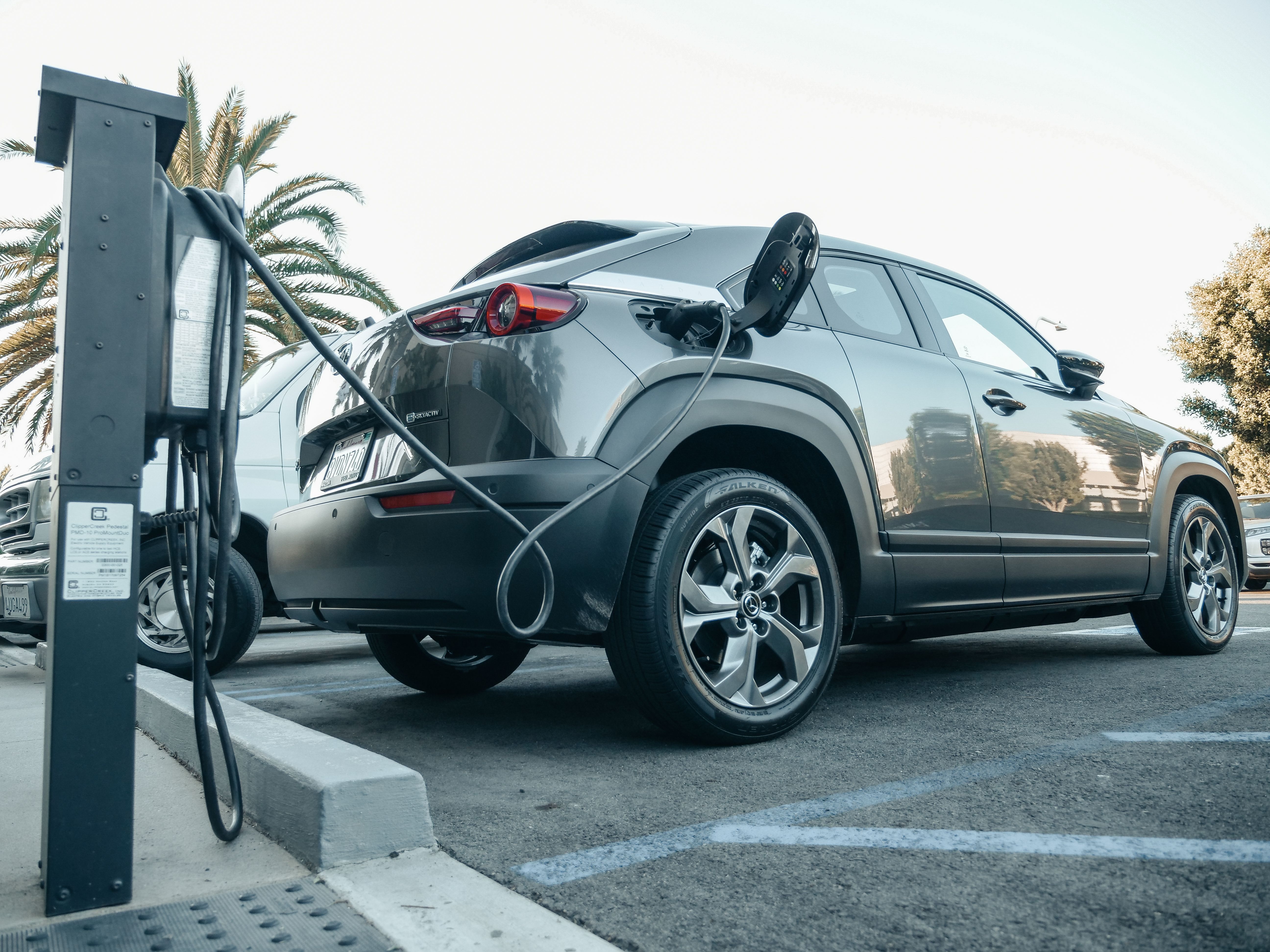
EV Road Tax Rates in 2026
From 1 January 2026, JPJ's EV road tax exemption officially ended. EVs are now taxed under a tiered "block" system based on motor power output in kilowatts (kW), replacing the engine-cc formula used for petrol and diesel cars.
The lowest band covers EVs up to 100kW, with a base rate of RM20. Mid-power EVs (100.1kW–210kW) start at a base rate of RM80, plus a top-up for roughly every 10kW block above that. A 150kW motor, for example, lands at around RM160 a year.
Here's the nuance a flat "EVs beat petrol" claim misses — it depends entirely on your exact variant. For example, in comparison to 1.5L Perodua Myvi with a RM90 road tax:
BYD Dolphin Standard Range (70kW) — RM40
BYD Dolphin Extended Range (150kW) — RM160
Ora Good Cat Ultra (105kW) — RM80
Ora Good Cat GT (126kW) — RM120
The takeaway: don't assume every EV beats a Myvi on road tax. Check your car's exact kW rating (shown as "Keupayaan Enjin" on your vehicle registration/geran) against JPJ's official table before making that comparison to customers.
Tesla Road Tax: Not Free Anymore, But Still Reasonable
Tesla's Model 3 RWD produces around 208kW, placing it near the top of the 100.1kW–210kW band — about RM280 a year. That's a real jump from RM0, but still well below what owners of larger-engine petrol sedans typically pay under JPJ's cc-based schedule.
One thing worth flagging for anyone cross-shopping dual-motor EVs: JPJ calculates road tax on combined motor output, so an all-wheel-drive model with two motors is taxed on both added together — not just the higher one. That can push a dual-motor variant into a much higher band than its single-motor sibling.

How to Save More on Your EV Renewal
Road tax is only one part of EV ownership cost — insurance is the other, and that's where comparing quotes pays off. EV insurance in Malaysia tends to run higher than for a comparable petrol car, partly because battery and high-voltage component repairs cost more.
When comparing quotes, it's worth checking whether an insurer offers EV-specific add-ons such as battery protection and home wallbox/charger coverage, since not every insurer includes these by default.
PolicyStreet is a car insurance comparison platform — we help you compare quotes from our partner insurers and renew your road tax at the same time.
Ongoing PolicyStreet Promotions
10+10 Promo: Renew your motor insurance between 10:00–11:00 AM or 10:00–11:00 PM, from the 1st to the 24th of the month, for up to 10% off your base premium (after NCD), a cash voucher based on your tier, plus an additional RM10 off at checkout.
Save Kaw Kaw Campaign: Save on your car insurance renewal with eligible promo codes and cash vouchers. Terms and campaign periods apply.
Ready to see what you'd actually pay? Get a personalised car insurance quote in a few minutes.
Frequently Asked Questions
1. Is EV road tax really free in Malaysia in 2026?
No. The exemption officially ended on 31 December 2025.
2. How is my EV's road tax calculated now?
JPJ uses your motor's power output in kW, not engine cc, split into tiered bands with a base rate plus a top-up per roughly 10kW block.
3. Why do two EVs priced about the same have different road tax?
Because road tax depends on motor power (kW), not price. A more powerful motor lands in a higher band even if the car costs the same.
4. Does a dual-motor (AWD) EV pay more road tax than a single-motor version?
Yes. JPJ taxes the combined output of all motors, so a dual-motor variant usually lands in a much higher band than its single-motor sibling.
5. Where do I check my EV's exact kW rating?
Look for "Keupayaan Enjin" on your vehicle registration (geran) — that's the figure JPJ uses to calculate your road tax.
6. Is an EV always cheaper to tax than a petrol Myvi?
Not always. Entry-level variants usually are, but higher-powered or bigger-battery EVs can match or exceed a 1.5L Myvi's RM90 road tax.
7. Can I renew my EV's road tax together with my car insurance?
Yes. On PolicyStreet, you can renew both your car insurance and digital road tax in the same checkout.


