
What to Do If Your Car Gets Scratched or Keyed (And No One Is Around)
You walk back to your car and notice a long scratch — or worse, clear signs of vandalism. No note, no witnesses, no explanation. Situations like this are more common than most drivers expect, and they raise immediate questions about your car insurance policy and whether making a claim will affect your NCD.
Before rushing into repairs or filing an insurance claim, it's important to understand your options — especially when there's no identifiable third party involved.
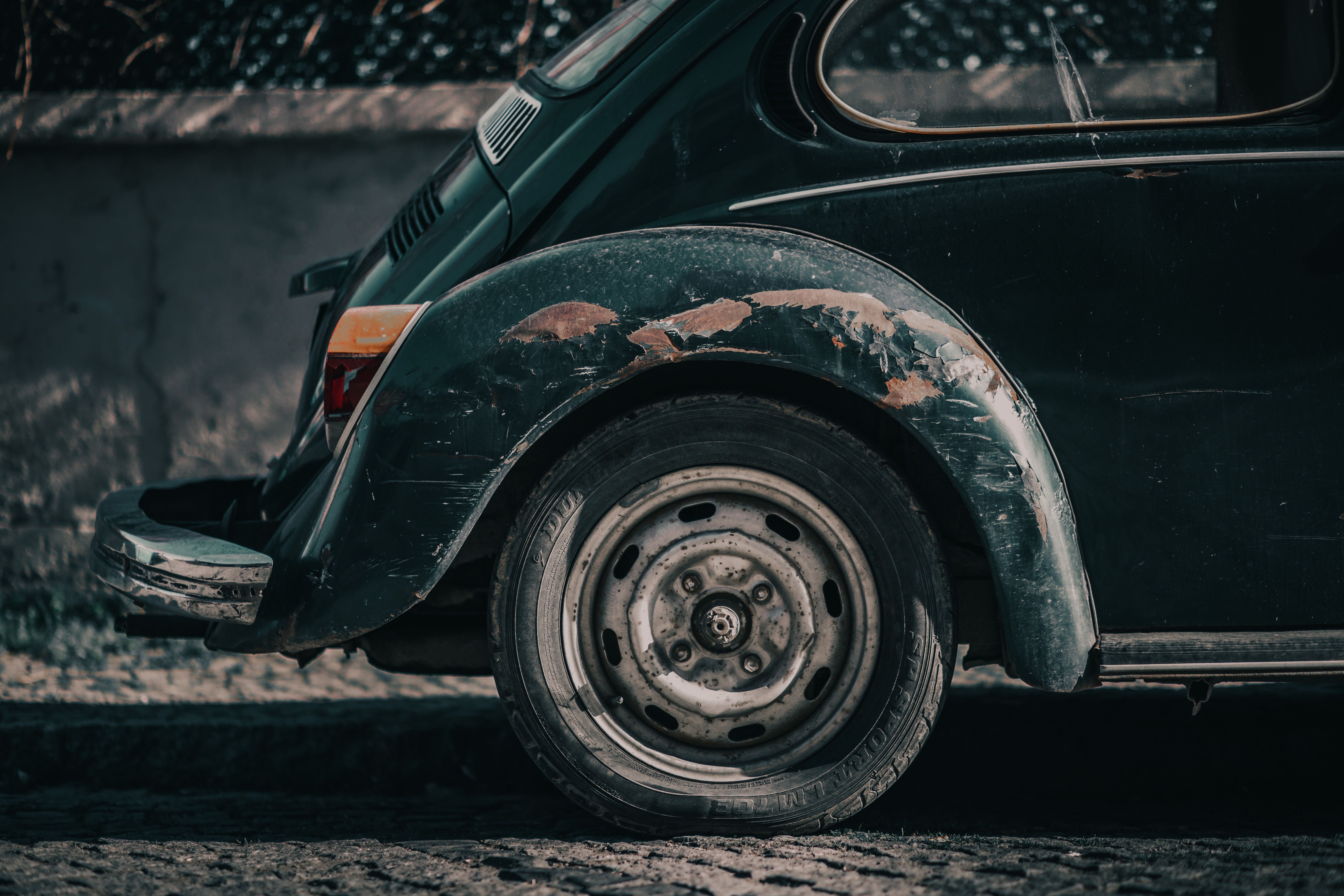
Confirm Whether It’s Accidental or Vandalism
Not all scratches are treated the same:
Minor accidental scratches (e.g. tight parking spaces)
Intentional damage (keyed car)
Hit-and-run while parked
Why this matters
Your insurance policy may classify these differently, especially under comprehensive coverage versus specific perils like vandalism.
Step-by-Step: What You Should Do Immediately
1. Document Everything Clearly
Take:
Close-up photos of the scratch
Wide shots showing the car’s surroundings
Time and location details
Even without a suspect, this documentation is critical if you plan to claim.
2. Look for CCTV or Witnesses
Check nearby:
Shops
Parking facilities
Residential areas
Even partial footage helps support your claim — especially if it turns into a police report.
3. Lodge a Police Report
If the damage looks intentional (keyed or vandalised), you should file a report with PDRM.
This is especially important if you're asking: "How do I report a keyed car to the police for insurance purposes?"
A police report supports your claim and helps show the incident wasn't self-inflicted.

Can You Claim Insurance If You Don’t Know Who Did It?
Yes — but it depends on your coverage. If you have comprehensive insurance, it generally can cover:
Vandalism
Unknown third-party damage
Accidental damage
So if you're wondering, "can I claim insurance for car scratches if I don't know who did it?" — the answer is yes, provided your policy includes comprehensive protection.
Will It Affect Your NCD?
This is where many drivers hesitate. If you file an Own Damage claim:
Your NCD resets to 0% at your next renewal
Your next premium will go back to the full base rate since the NCD discount is gone
For small scratches, it may be cheaper to pay out-of-pocket instead.
When It’s Better Not to Claim
Consider skipping an insurance claim if:
Repair cost is low (e.g. polishing or minor repaint)
Your NCD discount is high (e.g. 55%)
You want to avoid premium increases
In these cases, preserving your NCD may save you more long-term.
When You SHOULD Claim
Filing an insurance claim makes sense if:
Damage is extensive (deep scratches, multiple panels)
Paint protection or coating is affected
You suspect vandalism
This is where understanding your policy clearly becomes important, and why many drivers choose to manage their renewals and coverage through platforms like PolicyStreet.
Is Car Vandalism Covered in Malaysia?
Some insurers in Malaysia cover vandalism under comprehensive car insurance plans, but coverage details can differ between insurers.
If you’re asking, “is car vandalism covered under comprehensive insurance Malaysia?” — here’s what you need to know:
Coverage typically applies, but always check your Product Disclosure Sheet or confirm with your insurer to be sure
A police report is usually required
Claims will still affect your NCD
How Drive+ Helps in These Situations
Unexpected repairs are frustrating, especially when they aren’t your fault in the first place.
Drive+ helps reduce ongoing costs so situations like this feel less painful:
Road tax discount (up to RM120, depending on your Drive+ tier)
RM40 battery replacement voucher
RM30 service maintenance voucher
RM50 dashcam voucher
RM100 car tinting voucher
RM20 car rental voucher
Instead of worrying about every small repair, you get a more predictable cost structure over time.
Make your car insurance renewal, add Drive+ membership when you check out, and enjoy member-exclusive perks with PolicyStreet.
Frequently Asked Questions
1. Can I claim insurance for car scratches if I don’t know who did it?
Yes, as long as you have comprehensive coverage, your insurer may accept the claim as an Own Damage case. However, since no third party is involved, your NCD will reset to 0% at your next renewal.
2. Is car vandalism covered under comprehensive insurance in Malaysia?
Yes, vandalism is typically covered under comprehensive policies, though coverage can vary by insurer. You'll need proper documentation and usually a police report to support your claim.
3. How do I report a keyed car to the police for insurance purposes?
You'll need to lodge this in person at any police station. Vandalism is a criminal matter, so it isn't covered under PDRM's e-Reporting portal, which only accepts non-criminal reports (lost IC, passport, ATM card, road tax disc, and similar). Bring photos, location details, and a clear explanation of what happened to support your claim.
4. Should I claim insurance or pay for repairs myself?
It depends on the cost of repairs versus your NCD value. If repairs are minor, paying out-of-pocket may be more cost-effective in the long run.


