
Classic Cars & Insurance: How to Protect a Hobby Without Breaking the Bank
There’s nothing like the rumble of an old V8, the smell of leather and oil, the slow, satisfying polish of chrome on a Sunday morning. But along with the passion comes a problem many collectors know all too well: insurance for classic cars can be confusing, expensive, and — if you get it wrong — ruinous. Learn how to protect your rolling treasures without draining the piggy bank.
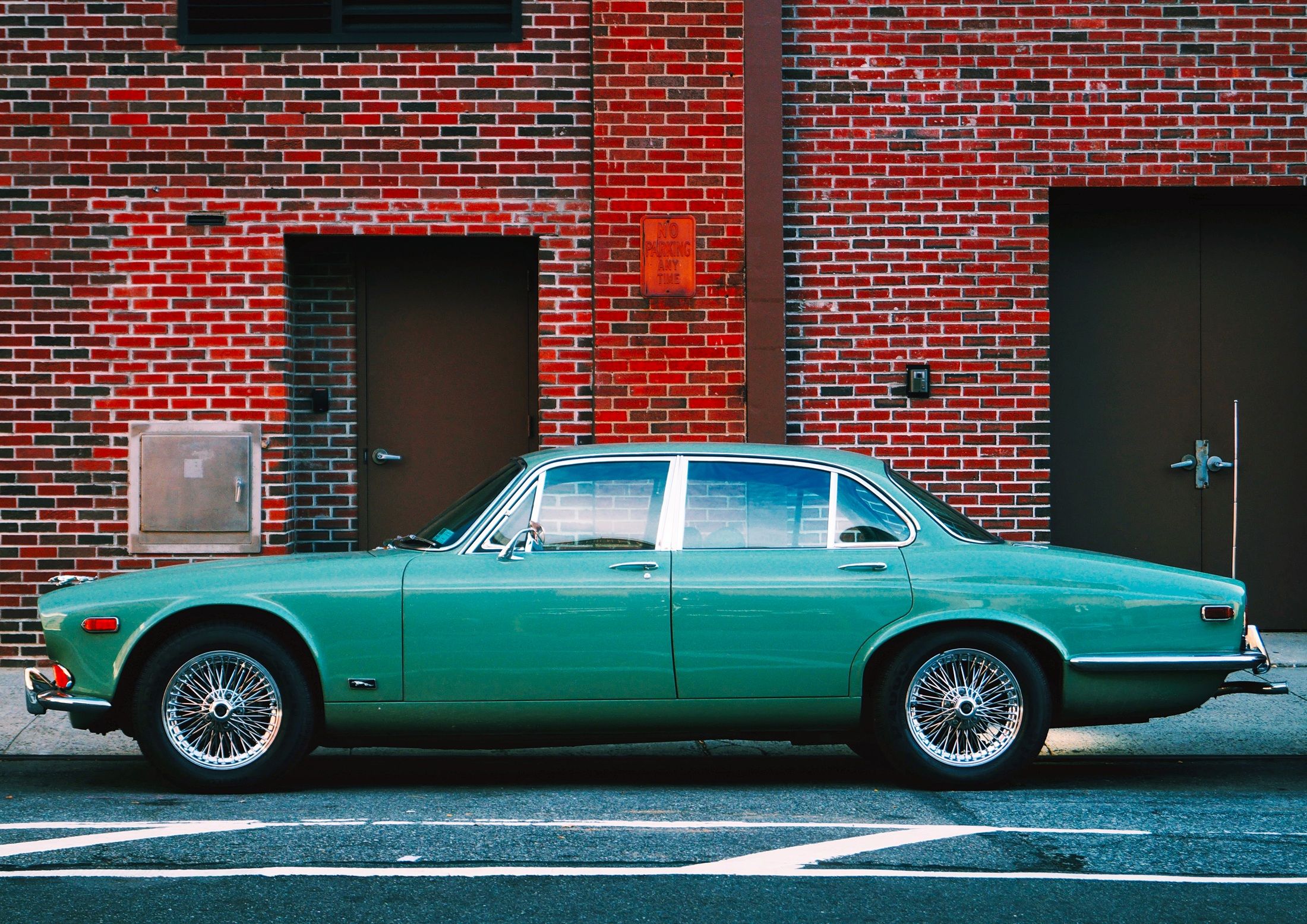
Why classic car insurance is different (and trickier)
Some older or heavily modified vehicles may face stricter underwriting requirements for comprehensive coverage depending on the insurer. Some rare or heavily modified European classics can be flagged by mainstream insurers as high-risk or hard-to-value, making comprehensive coverage harder or more expensive to find.
Restored cars are expensive to repair. Many owners buy rusted shells and pour thousands into restoration but standard policies may only pay market value, which under-pays rare parts and labour.
Mechanics charge for dumb stuff — they see a fancy car and think they can charge more. Specialised labour and rare parts can make even small repairs pricey.
Fear of claims: some owners avoid reporting minor collisions because they don’t have full cover, or worry premiums will spike. That can leave them paying out of pocket for costly classic-specific repairs.
Parts scarcity: for many classics, original parts are rare, expensive, or have to be custom-made — normal replacement-cost estimates don’t always cut it.
These realities are why some classic car owners prefer exploring more specialised insurance options that better reflect restoration costs, vehicle usage, and parts availability.
Before you lock in cover, compare costs with our car insurance calculator.
What good classic-car cover should do
The availability of these features depends on the insurer and policy selected, and may not be available for all vehicles or insurers. Coverage features, benefits, and eligibility vary depending on the insurer and policy selected.
A classic-car policy should be built around these principles:
Agreed value — insurer and owner agree on the car’s value up front, so you don’t get a low, market-value payout if the worst happens.
Spare parts & restoration cover — cover that recognises the higher cost and scarcity of old parts and specialist labour.
Flexible use limits — many classic policies use a limited-mileage clause (e.g., for shows, weekend drives, and not daily commute). That usually lowers the premium.
Event/show cover & transit insurance — while driving to a show or transporting the car, you want protection.
Roadside assistance & salvage rights — getting your car recovered to a trusted restorer and being able to reclaim salvage is important for classics.
Security discounts — safe garaging, immobilizers, and tracking systems can cut premiums.
Smart ways to lower premium without lowering protection
Choose agreed-value cover — it may cost a little more but saves you from underpayment later.
Limit annual mileage — if your classic is a weekend/club car, a low-mileage policy can be much cheaper.
Bundle policies — combine home and car insurance if available for discounts.
Improve security & garaging — a locked, alarmed garage and approved tracking device reduce risk.
Keep thorough records — restoration invoices, photos, invoices for parts and receipts help prove value and speed claims.
Shop specialist insurers — mainstream policies may work well for everyday vehicles, but specialist insurers or brokers that compare multiple policies may provide options that are more suitable for certain classic or collector vehicles.
Volunteer excess & deductibles — agreeing to a higher excess can lower your premium; balance this against what you can realistically pay after a claim.
Join a classic car club — clubs sometimes have access to preferred insurers or discounts, and insurers like lower-risk, community-backed policyholders.
Real owner pain points — and how to fix them
“Mechanics see an expensive continental and jack up the bill.” — Fix: Get quotes from trusted restorers, keep multiple estimates, and include agreed parts-and-labor in your policy.
“If I crash I don’t report it — insurance won’t cover the old parts.” — Fix: Consider discussing specialised coverage options with your insurer or broker if your vehicle has high restoration or collector value.
“I had to pay for damages because the policy only paid market value.” — Fix: Consider discussing specialised coverage options with your insurer or broker if your vehicle has high restoration or collector value.
Why consider PolicyStreet for your classic
At PolicyStreet, we help car owners compare motor insurance options through a digital-first experience, while providing clearer guidance on available coverage options, add-ons, and renewal considerations. This allows drivers to explore suitable protection options more conveniently without paying for unnecessary extras.
We also encourage classic car owners to keep proper restoration records, invoices, and supporting documents to help support future policy discussions or claims processes.
From time to time, PolicyStreet runs promotional campaigns or seasonal offers for eligible customers. Customers should refer to PolicyStreet’s official channels for the latest campaign details, eligibility requirements, and terms and conditions.
Short checklist before you buy or renew
Get an agreed-value quote.
Itemise restoration costs and keep invoices.
Ask for spare-parts and restoration labour cover.
Confirm whether the policy has limited mileage and whether that fits your use.
Check for garage/track discounts and multi-policy bundles.
Ask about event & transit coverage if you take the car to shows.
Read the excess and salvage clauses carefully.
Frequently Asked Questions
Can I get comprehensive cover for an old continental?
Coverage availability depends on the insurer, vehicle age, modification level, and underwriting requirements. Some insurers may impose additional conditions for older or heavily modified vehicles.
Will my premium spike after I claim?
It can — but agreed-value and no-claims discounts, plus reasonable excess choices, help manage cost. Ask PolicyStreet for tailored advice.
What is “agreed value”?
It refers to a policy structure where the insurer and owner agree on the vehicle’s value at the start of the policy period. Availability depends on the insurer and policy selected.


