
Total Loss or Beyond Repair: What It Really Means for Your Payout
When a serious accident happens, one of the most confusing outcomes for drivers is hearing that their vehicle is a total loss. It sounds straightforward, but in reality, it has major implications for your car insurance, your insurance coverage, and the final payout you receive. Understanding how this works can help you make better decisions before and after an accident.
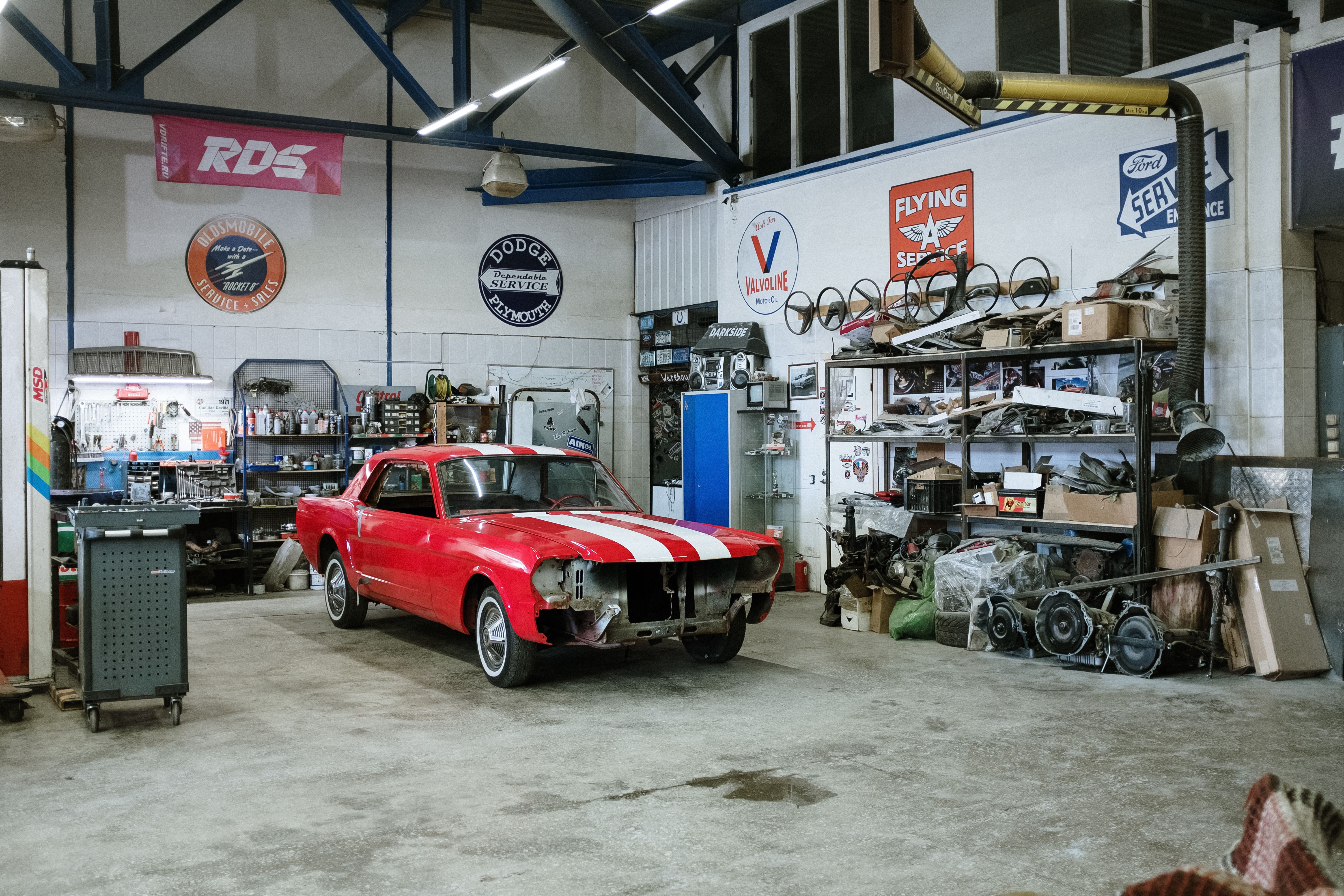
What Does Total Loss Mean in Car Insurance?
A total loss occurs when your insurer determines that repairing your car is not economically viable. This usually happens when the repair cost is too high compared to the car’s current market value or insured value.
In Malaysia, this can happen due to:
Major accidents
Flood damage
Fire damage
Theft (if the car is not recovered)
Even if your car looks repairable, insurers may still classify it as a total loss if the numbers do not make sense.
How Insurance Companies Calculate Your Payout
The payout you receive is not random. It is based on several structured factors tied to your insurance coverage.
These typically include:
Your car’s insured value at the time of the claim
The type of car insurance policy you purchased
Depreciation and market value adjustments
Policy terms and conditions
Outstanding loan balance (if applicable)
If your car is under financing, part of the payout may go directly to the bank first. This is important because it can affect how much cash you actually receive.
Market Value vs Agreed Value
Many drivers are not aware that there are different ways insurers assess value:
Market value: Based on your car’s current resale value
Agreed value: A fixed amount agreed upon when you buy the policy
If your policy uses market value, your payout may fluctuate depending on depreciation. This is why reviewing your insured value every year is critical.
Why Total Loss Situations Catch Drivers Off Guard
The biggest issue is mismatch in expectations. Many drivers assume they will get back what they paid for the car, but that is rarely the case.
If your insurance coverage is outdated or undervalued, your payout may fall short of what you need to replace your vehicle.
How to Protect Yourself Before an Accident Happens
You cannot predict an accident, but you can prepare for it. Here’s how:
Review your insured value annually
Use an insurance calculator to estimate realistic value
Avoid under-insuring your car
Understand your policy terms clearly
Being proactive ensures your car insurance actually works when you need it most.
How Drive+ Helps You Stay Prepared
PolicyStreet’s Drive+ membership is designed to make renewals smarter and more cost-efficient. Instead of cutting corners on coverage, you can offset costs through built-in savings.
Drive+ benefits include:
Road tax discounts (up to RM50, RM90, RM120 depending on tier)
Free road tax handling fees
RM40 Bateriku voucher for battery replacement
Priority renewal support
This allows you to maintain strong insurance coverage without overpaying during renewal.
You can also explore related guides like:
How to Avoid Under-Insuring Your Car
Switching Car Insurance Providers
Renew here:
Frequently Asked Questions
What is a total loss in Malaysia car insurance?
A total loss means the insurer decides your car is not worth repairing based on cost versus value.
How is total loss payout calculated?
It is based on your insured value, policy type, depreciation, and claim assessment.
Will I get full market value for my car?
Not always. It depends on your policy and how the insurer values your vehicle.
What happens if my car loan is not fully paid?
Part of your payout may go to the bank first before you receive any remaining amount.
Can I dispute a total loss decision?
Yes, but you will need supporting valuation or assessment documents.
Is flood damage considered total loss?
Yes, severe flood damage often results in total loss classification.
How can I avoid low payout?
Ensure your insured value is accurate and updated during renewal.
Does comprehensive insurance cover total loss?
Yes, comprehensive policies typically include total loss protection.


