
Why Car Insurance Claims Sometimes Take So Long in Malaysia
You’ve just been in a minor fender-bender. You did everything right—exchanged details, snapped photos of the damage, and filed a police report. But three weeks later, your car is still sitting in the workshop, exactly where you left it, with no repairs started and no clear answers about when it’ll be ready.
In Malaysia, the car insurance claim process is a multi-step journey involving insurers, adjusters, workshops, and the police. According to data from Bank Negara and PIAM, the average "Own Damage" (OD) claim can take roughly 60 days to fully resolve from notification to final payment. But why does it take so long?
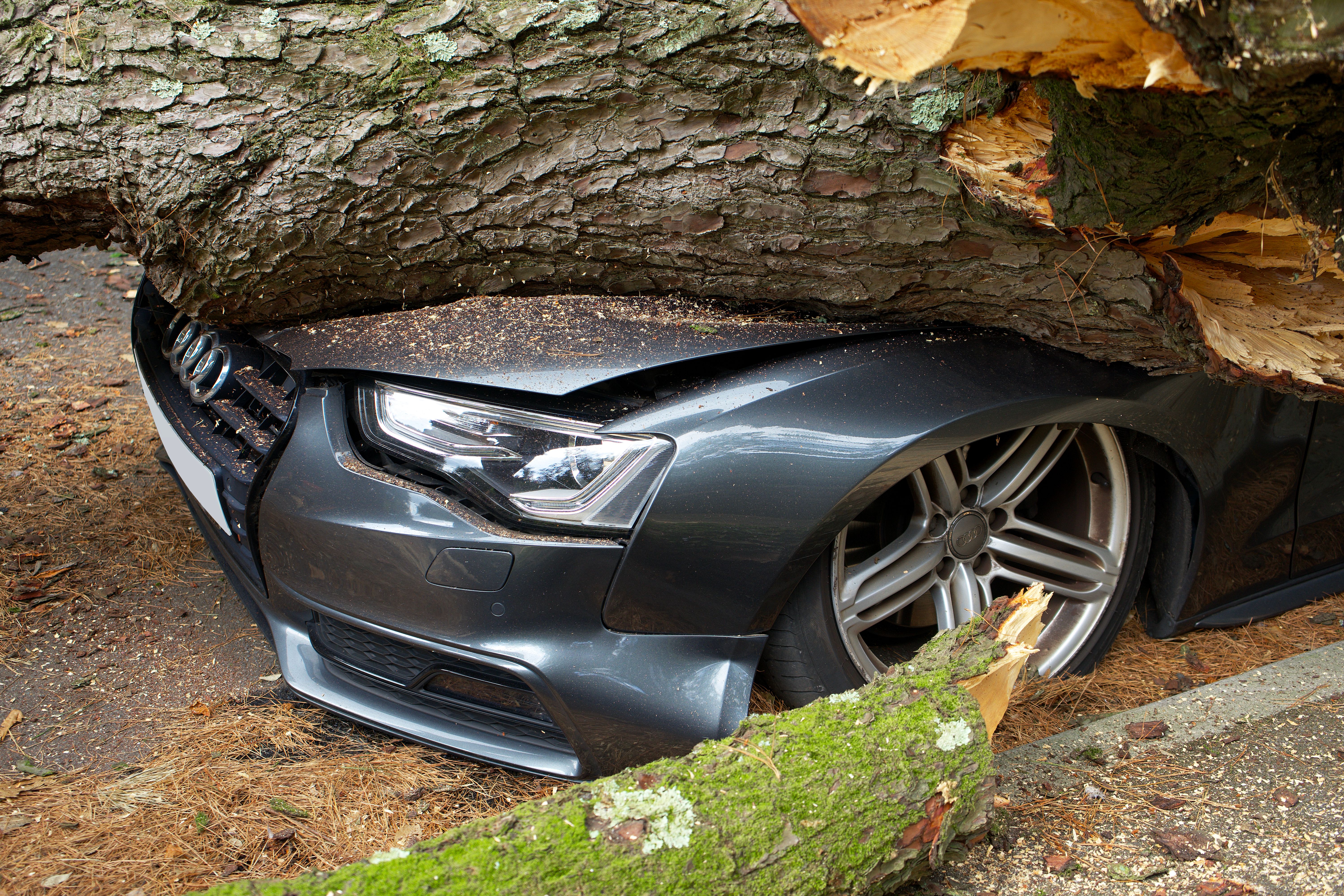
1. The Police Report & "Keputusan" Bottleneck
Under Malaysian law, you must lodge a police report within 24 hours of an accident. However, the insurer cannot approve repairs until they receive the "Keputusan Repot" (the official police outcome) which determines who was at fault.
It can take several days, sometimes over a week for the investigating officer to finalise this. Without this document, the insurer’s hands are tied.
2. Spare Parts Availability & Inflation
This is currently the #1 cause for long workshop stays in 2026.
Global Supply Chains: If you drive a European or a newer Chinese-branded vehicle, the parts may not be stocked locally. Waiting for a headlamp or a sensor to ship from overseas can add weeks to your timeline.
Cost Verification: As spare parts and repair costs continue to increase, insurers may require additional verification or assessment before approving certain repair costs, especially when replacement parts are involved.
3. The Adjuster’s Inspection
Once the workshop provides a repair estimate, the insurer sends an independent adjuster to verify the damage. During peak seasons (like the monsoon months or major festive seasons), adjusters face massive backlogs. If your car is at a non-panel workshop, this process takes even longer as the insurer must verify the workshop's credentials first.
How to Fast-Track Your Claim
While you can't control the shipping of spare parts, you can optimize the administrative side of an insurance claim in Malaysia:
Go Digital with e-Police Reporting: If you had a minor accident on a major highway like PLUS, check if you can use the e-Police Reporting pilot program. This digital filing can slash days off the verification process.
Stick to Panel Workshops: Always use your insurer’s authorized panel. They use a shared digital system with the insurer (like the Merimen system), allowing for instant submission of photos and estimates.
Request CART: Ensure your policy includes Compensation for Assessed Repair Time (CART). This doesn't speed up the repair, but it pays you a daily cash amount while your car is in the shop, easing the pain of the wait.
Avoid Future Stress: Renew Smarter
The best way to handle a claim is to have an insurer that responds quickly. When you renew via PolicyStreet, you get access to a curated list of top-tier insurers and excellent support. Plus, you can save money while you’re at it:
Drivers can also benefit from selected renewal promotions and membership perks. For example, PolicyStreet’s Drive+ memberships offer road tax discounts depending on the selected tier:
Drive+ Lite: up to RM50
Drive+ Standard: up to RM90
Drive+ Premium: up to RM120
Before renewing, drivers should always review the actual savings, eligibility requirements, and membership fees involved.
Frequently Asked Questions (FAQs)
How long does a car insurance claim usually take in Malaysia?
The time it takes to process a car insurance claim varies depending on the insurer and the complexity of the case:
Minor claims typically resolved within a few days
Standard accident claims usually take 2–4 weeks
Complex claims may take longer depending on investigation required
To speed up your claim, ensure you submit all required documents promptly, including your police report, photos, and any supporting evidence to your insurer.
What is Compensation for Assessed Repair Time (CART)?
CART is an optional add-on that reimburses you for the cost of alternative transportation while your vehicle is being repaired.
The premium varies depending on the coverage selected, which typically comes in options of 7, 14, or 21 days, with coverage amounts of RM50, RM100, or RM200 respectively.
Will my insurance claim be delayed if I submit the police report late?
Yes. Drivers are generally required to lodge a police report within 24 hours of an accident. Delays in reporting can slow down the claim process and, in certain situations, could affect the insurer's ability to approve the claim.


