
Are More Malaysians Considering EVs Because of Fuel Prices?
Summary: Rising fuel prices are encouraging more Malaysians to consider EVs. Before making the switch, buyers should also understand the latest EV road tax updates and ensure they have suitable insurance coverage.
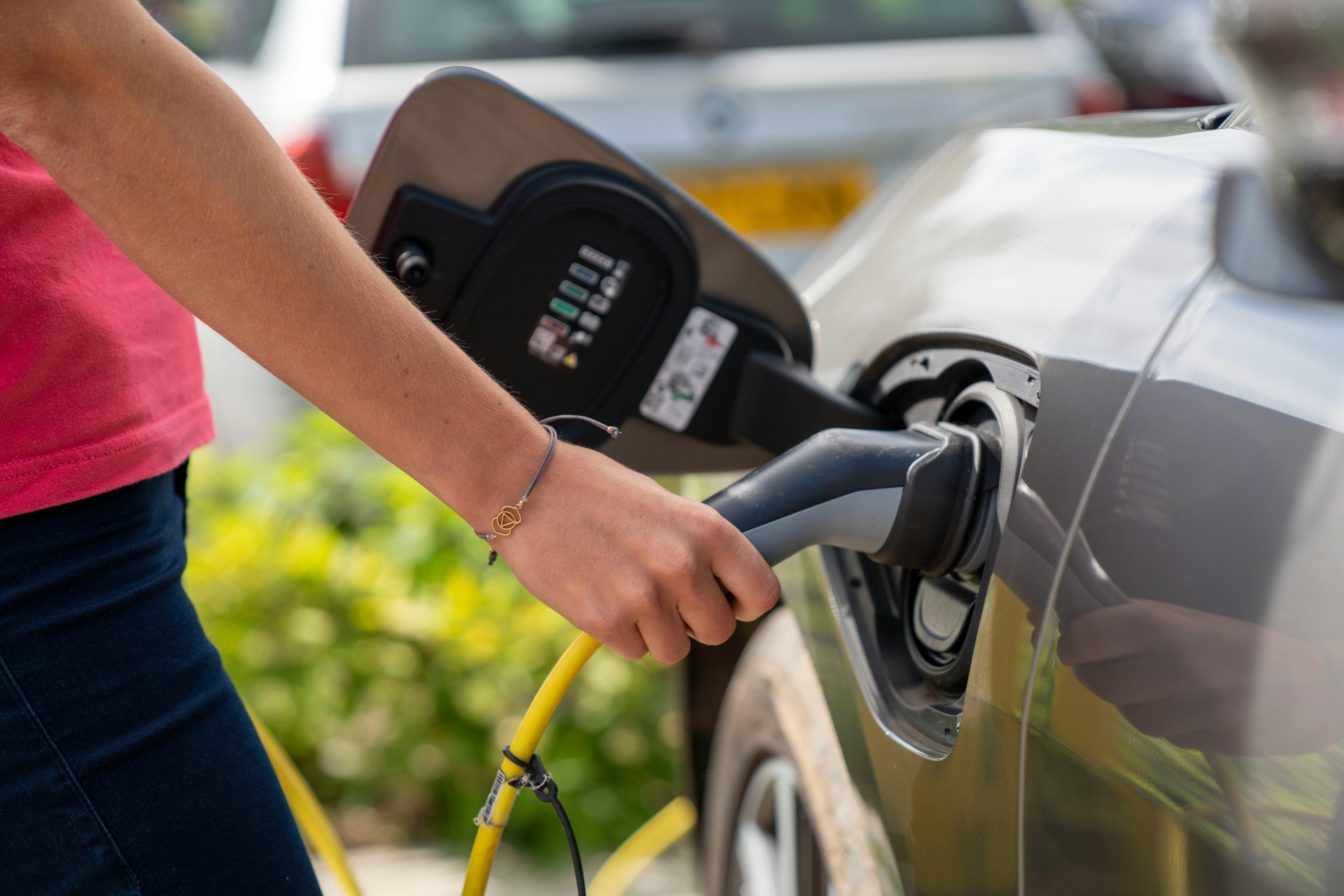
Are Fuel Prices Driving More Malaysians Towards EVs?
Every time fuel prices rise, many Malaysians begin rethinking the long-term cost of owning a conventional petrol or diesel vehicle. With transportation remaining a significant monthly expense for local households, EVs have become an increasingly attractive alternative to many.
Over the past few years, Malaysia has witnessed a steady increase in EV adoption. New models from global manufacturers, improved charging infrastructure, and government incentives have all contributed to growing consumer interest. At the same time, concerns about surging fuel prices have prompted drivers to explore options that offer greater savings in ownership costs.
While fuel prices are not the only factor influencing EV adoption in Malaysia, they have certainly accelerated discussions about whether switching to an EV can lead to meaningful savings over time.
Understanding EV Charging Costs in Malaysia
One of the biggest advantages of EV ownership is the lower cost of refuelling.
For a typical petrol car, fuel expenses can easily range between RM300 and RM800 per month depending on vehicle type, mileage, fuel prices, and subsidy eligibility. In contrast, EV charging costs are generally lower, especially when charging at home.
For example, a typical EV may consume around 15 to 20 kWh per 100 kilometres. Depending on electricity tariffs and charging methods, drivers can often travel the same distance at a significantly lower cost compared to petrol cars.
Home Charging
Home charging remains the most economical option for most EV owners. Charging overnight allows drivers to take advantage of residential electricity rates while enjoying the convenience of starting each day with a full battery.
Benefits include:
Lower charging costs compared to public charging
Greater convenience
Reduced dependence on fuel station visits
Predictable monthly electricity expenses
Public Charging
Malaysia's public charging network continues to expand across highways, shopping centres, office buildings, and residential developments.
Although public chargers are generally more expensive than home charging, they provide flexibility for long distance travel and drivers without access to home charging facilities.
As competition among charging providers increases, EV owners may benefit from more pricing options and wider charging coverage nationwide.
Long–Term Ownership Savings Beyond Fuel
When evaluating EV ownership, focusing only on fuel savings can underestimate the overall financial benefits.
Lower Maintenance Costs
EVs have fewer moving parts than petrol or diesel vehicles. Without components such as engine oil systems, spark plugs, timing belts, and exhaust systems, routine maintenance requirements are often reduced. This can translate into fewer workshop visits, lower servicing costs, and reduced wear and tear on mechanical components.
Regenerative Braking Benefits
Most EVs use regenerative braking technology, which helps recover energy while slowing down the vehicle. This can reduce brake wear and tear, as well as potentially extend the lifespan of brake components.
Predictable Running Costs
Electricity prices generally fluctuate less dramatically than fuel prices. This provides EV owners with greater certainty when budgeting for transportation expenses.
EV Road Tax: What Malaysian Drivers Need to Know
Previously, EVs benefited from road tax holidays as part of Malaysia's efforts to encourage EV adoption. However, the exemption officially ended on 31 December 2025. From 1 January 2026 onwards, EVs must pay road tax based on motor power in kilowatts (kW), not cc or watts. Road tax starts from RM70 per year for vehicles up to 100kW.
The updated framework aims to create a more balanced system while continuing to support the country's transition towards cleaner transportation. Depending on the vehicle's motor output (kW), EV owners will face different road tax obligations under the new structure.
Therefore, before purchasing an EV, drivers should:
Review the latest road tax calculations
Understand how their chosen model will be assessed
Factor annual road tax costs into ownership planning
Stay updated on future policy announcements
Although road tax changes may increase ownership costs for some vehicles, many EV owners can still benefit from lower overall running expenses compared to conventional vehicles.
Wondering how much road tax you'll pay for your dream EV? Check our guide.
Already driving an EV? Get smart at budgeting and try our EV Road Tax Calculator to accurately estimate your spending during renewal season.
EV Adoption Trends in Malaysia
Malaysia's EV landscape has evolved significantly in recent years. Several factors contributed to the stronger adoption rates:
More Vehicle Choices
Consumers now have access to a wider range of EV models across multiple price points, from compact city cars (Proton e.MAS 7, BYD Dolphin, etc.) to premium SUVs (Tesla Model Y, BMW iX. etc.).
Growing Charging Infrastructure
Public and private sector investments continue to expand charging availability throughout Malaysia. This reduces range anxiety and improves convenience for both urban and interstate travel for EV owners.
Government Support
National initiatives aimed at reducing carbon emissions and promoting sustainable transportation continue to support EV market growth. These efforts include:
Tax incentives (locally-assembled EVs)
Infrastructure development programmes
Industry investments
Increased Consumer Awareness
Malaysians are becoming more informed about EV technology, battery performance, charging options, and ownership economics. As awareness improves, many consumers are moving beyond common misconceptions about EVs.
Should You Switch to an EV?
The answer depends on your driving habits, budget, charging accessibility, and long–term transportation goals.
An EV may be particularly suitable if you:
Drive regularly and spend heavily on fuel
Have access to home or workplace charging
Want lower maintenance requirements
Prefer predictable running costs
Are interested in reducing your environmental impact
While the initial purchase price may still be higher than some conventional cars, many owners find that long–term savings help offset the upfront investment.
The key is evaluating total cost of ownership rather than focusing solely on the purchase price. Check our guide and compare the ownership costs between EVs, hybrid, and petrol cars.
Protecting Your EV with the Right Insurance
As EV adoption grows, insurance considerations become increasingly important.
EVs contain specialised components such as high-voltage batteries, charging systems, and Advanced Driver Assistance Systems (ADAS) technologies. These features can influence repair costs and coverage requirements.
Choosing insurance designed for EV owners can help provide protection against risks unique to EVs while ensuring peace of mind on the road.
EV owners should also review coverage for charging cables, wall chargers, flood damage, and battery related repairs, as these can differ from conventional vehicle insurance considerations.
Whether you're considering your first EV or already driving one, having the right coverage is an essential part of the ownership experience.
Frequently Asked Questions (FAQs)
1. Is charging an EV cheaper than filling up a petrol car in Malaysia?
In many cases, yes. Home charging typically costs less than refueling a petrol car for the same distance travelled, making EVs attractive for drivers looking to reduce monthly transportation expenses.
2. How much can I save by owning an EV?
Savings vary depending on driving habits, electricity rates, maintenance costs, and vehicle model. Many owners benefit from lower fuel and servicing expenses over the long term. You can use our EV Road Tax Calculator for ease of budgeting.
3. Will the new July 2026 CBU EV import rules affect EV prices in Malaysia?
Potentially yes. From 1 July 2026, newly imported fully built up (CBU) EVs must meet minimum value and power output requirements. This affects the availability and pricing of certain imported EV models, although locally assembled (CKD) EVs are not subject to the same requirements.
4. Do EVs require less maintenance?
Generally, yes. EVs have fewer mechanical components than petrol cars, which can result in lower maintenance requirements and servicing costs.
5. How does EV road tax work in Malaysia?
EV road tax in Malaysia is calculated based on the motor output in kilowatts (kW), not cc like petrol cars. Use our EV Road Tax Calculator to know how much you should pay for your EV road tax.
6. Is EV insurance different from regular car insurance?
While the basic principles are similar, EV insurance may include considerations for battery systems, specialised repairs, charging equipment, and advanced vehicle technologies.
7. Are EV batteries expensive to replace?
Battery replacement costs can range from tens of thousands of ringgit depending on the vehicle model and battery size, but most manufacturers provide battery warranties that offer protection for a specified period or mileage.
8. Is EV car insurance more expensive than petrol car insurance in Malaysia?
Yes, comprehensive EV insurance premiums are typically 10% to 30% higher than comparable petrol cars due to higher cost of battery replacement (RM30,000–RM80,000), specialised workshop requirements, and limited availability of EV parts in Malaysia.
However, you can offset this with a strong NCD and by comparing insurers on PolicyStreet to find the most competitive rate. Use our Car Insurance Calculator to compare your petrol car's insurance.


