
MIROS' New Minimum Advisory Speed Limit: What Malaysian Drivers Need to Know
Summary: MIROS has introduced a minimum advisory speed limit initiative as a three-month pilot on selected highways starting 1 August 2026. The initiative is not mandatory and drivers will not be fined for travelling below the advisory speed. It encourages motorists to use the correct lane and reduce large speed differences between vehicles to improve traffic flow and highway safety.
Whether you're driving back to your hometown or heading out on a weekend road trip, you've probably noticed that traffic jams can happen even when there's no accident ahead. Sometimes, all it takes is a few vehicles driving much slower than the surrounding traffic or motorists staying too long in the overtaking lane.
To improve traffic flow and encourage better lane discipline, the Malaysian Institute of Road Safety Research (MIROS) has introduced a new minimum advisory speed limit Malaysia initiative on selected expressways.
Before you panic, this is not a new minimum speed law. It is simply a guideline to help drivers choose the most suitable lane based on their travelling speed and make Malaysian highways safer for everyone.

What Is the New Minimum Advisory Speed Limit?
The new minimum speed limit initiative is officially known as the Minimum Advisory Speed Limit Proof of Concept (POC). The three-month pilot began on 1 August 2026 and is jointly conducted by:
MIROS
PLUS Malaysia Berhad
South Klang Valley Expressway (SKVE)
Malaysian Highway Authority (LLM)
The main goal is simple: improve lane discipline, reduce unnecessary traffic disruptions, and enhance road safety. Instead of encouraging everyone to drive faster, the initiative recommends a suitable minimum travelling speed for each lane so vehicles move more consistently.
The advisory speeds are intended to:
Reduce lane hogging.
Minimise large speed differences between vehicles.
Improve traffic flow.
Reduce aggressive driving behaviours such as overtaking from the left.
Make highways safer for all road users.
How is it different from the existing highway speed limit?
Many drivers assume the minimum speed limit Malaysia initiative means there's now a compulsory minimum speed to follow. That's not the case.
Malaysia's existing maximum speed limits remain exactly the same. The new minimum advisory speed limits are simply recommendations that help motorists choose the most appropriate lane according to their travelling speed. Drivers should still obey the posted maximum speed limit at all times.
Think of it this way:

Is the Minimum Advisory Speed Legally Enforceable?
No. During the current pilot trial, the minimum speed limit Malaysia initiative is not legally enforceable. Drivers will not receive a summons simply for travelling below the advisory speed.
Instead, MIROS is using this three-month pilot to study how the advisory minimum speed limit affects:
Driver behaviour
Lane discipline
Traffic flow
Highway safety
The findings will help determine whether the initiative should be expanded to other expressways in the future.
That said, existing traffic laws still apply. Drivers must continue to obey posted speed limits and drive responsibly. Dangerous or reckless driving remains an offence under existing road traffic laws, regardless of the advisory speed.
Which Highways Are Involved in the Trial?
For now, the minimum speed limit Malaysia trial is only being tested on three highway stretches:
PLUS E1 (Northbound) – Tanjung Malim to Behrang
SKVE (E26) – Aye Hitam Toll Plaza to Bandar Saujana Putra
PLUS (E2) – Bandar Aisndale to Nilai
These locations weren't chosen randomly. According to MIROS, they were selected because they:
Have no changes to the existing national speed limit.
Have no entry or exit access along the trial section.
Do not have AWAS speed cameras.
Are locations where sudden traffic congestion has been reported.
At this stage, there are no plans to introduce the initiative nationwide. Any expansion will depend on the outcome of the three-month pilot.
How Can Driving Too Slowly Be Dangerous?
Many drivers think speeding is the only dangerous behaviour on highways. While excessive speed certainly increases accident risks, driving significantly slower than surrounding traffic can also create hazardous situations.
Large speed differences between vehicles often result in:
Sudden braking
Frequent lane changes
Dangerous overtaking
Traffic bottlenecks
Frustrated or aggressive drivers
Research behind the minimum speed limit Malaysia initiative found that vehicles travelling closer to the average traffic speed generally face lower crash risks, while large speed differences between faster and slower vehicles increase the likelihood of accidents.
Got into an accident on the expressway? Read our complete guide and learn what you should do when you encounter this situation.
A simple example

Imagine you're travelling at 70 km/h in the middle lane while most vehicles are moving at around 100 km/h.
Drivers approaching from behind will have to brake suddenly or quickly change lanes to avoid you. This creates a ripple effect where more vehicles begin braking, changing lanes, and overtaking, even though there wasn't an accident to begin with.
This is one reason why the minimum speed limit Malaysia initiative focuses on reducing speed differences instead of encouraging everyone to drive faster.
Understanding Lane Discipline on Malaysian Highways
Good lane discipline is just as important as obeying the speed limit. Choosing the correct lane helps traffic move more smoothly and reduces unnecessary conflicts between vehicles. The lane you should use depends on your vehicle type and driving preference.
Left lane
The left lane is generally for slower-moving vehicles, heavy vehicles where applicable, or motorists who prefer driving at a more relaxed pace.
If you're not overtaking, this is usually the safest lane to remain in.
Middle lane
The middle lane is suitable for drivers travelling at a steady cruising speed while allowing slower vehicles to remain on the left and faster vehicles to overtake on the right.
Right lane
The right lane is primarily an overtaking lane, not a cruising lane.
Even if you're driving at the posted speed limit, you should move back to the left once you've completed overtaking if it is safe to do so. MIROS also reminds drivers to give way when another vehicle wishes to overtake from behind.
What Is Lane Hogging?
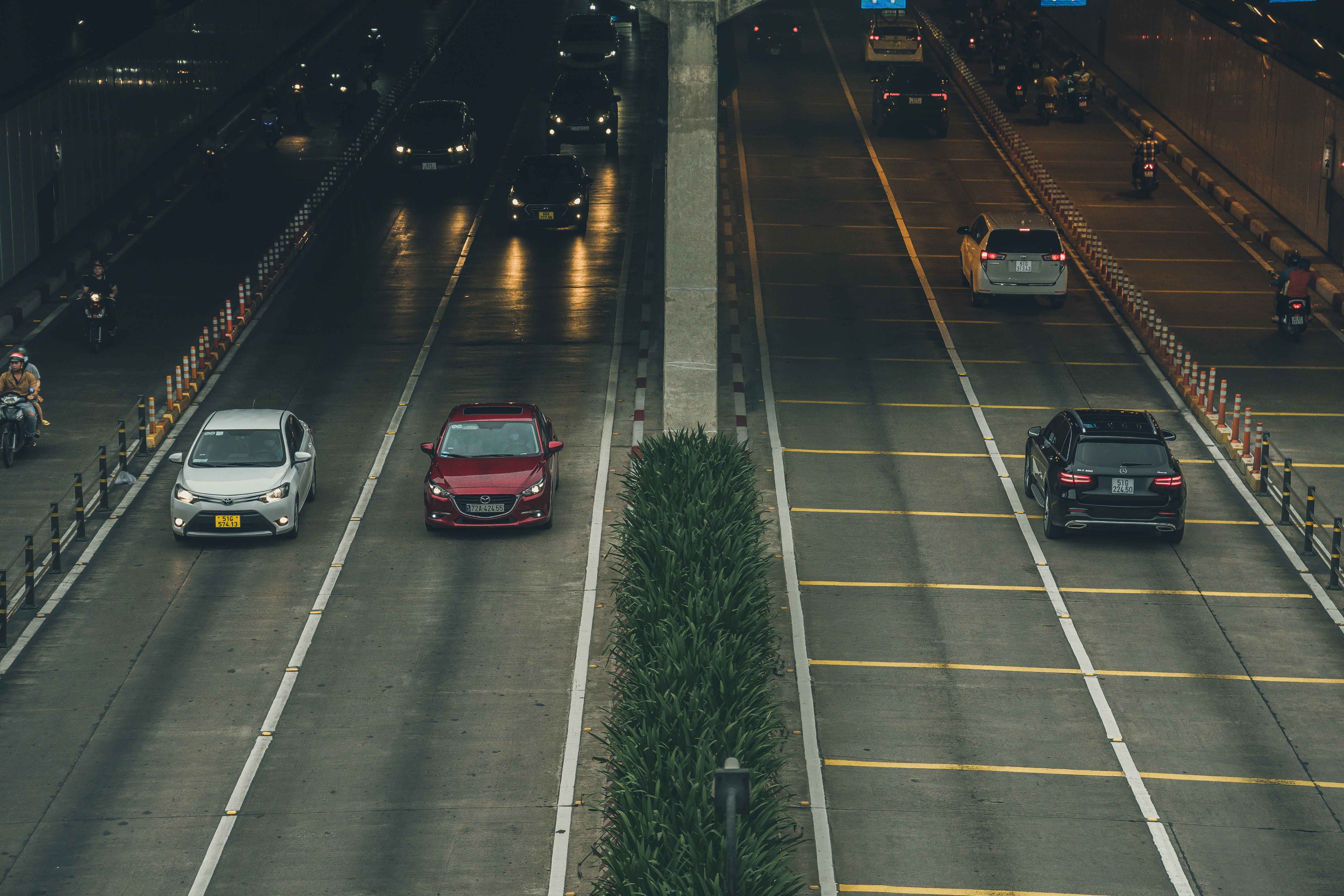
Lane hogging happens when a driver remains in the overtaking lane unnecessarily, preventing faster-moving traffic from passing safely.
Some common examples include:
Driving in the right lane without overtaking.
Continuing to stay in the right lane when the left lane is clear.
Matching the speed of vehicles beside you and blocking traffic behind.
Lane hogging doesn't just frustrate other drivers. It can encourage risky behaviour such as tailgating, frequent lane changes, and overtaking from the left, all of which increase the risk of accidents. Improving lane discipline is one of the key objectives of the minimum speed limit Malaysia initiative.
Is Lane Hogging an Offence in Malaysia?
Yes. While there isn't a specific offence called "lane hogging", drivers can still be penalised for obstructing traffic by remaining in the right lane unnecessarily.
Under Rule 6 of the Road Traffic Rules 1959 (L.N. 166/1959), motorists must not drive slowly on the right-hand side of a road in a way that obstructs faster-moving traffic.
This means if you're driving below the flow of traffic in the overtaking lane and preventing other vehicles from passing, you could be committing an offence.
It's also important to understand the difference between lane hogging and speeding.
Lane hogging: failing to use the correct lane.
Speeding: driving above the legal speed limit.
Even if you're travelling at the maximum speed limit, you should still move back to the left once you've safely completed your overtaking manoeuvre. The right lane is meant for overtaking, not continuous driving. MIROS also advises motorists to give way to faster vehicles when it is safe to do so.
Explore who’s liable if your friend borrows your car and gets into an accident.
What Should You Do If You Prefer Driving Slowly?
Not everyone feels comfortable driving at high speeds, and that's perfectly fine. The minimum speed limit Malaysia initiative isn't asking drivers to exceed their comfort level or drive beyond what road conditions allow.
Instead, the key is choosing the appropriate lane and driving predictably. Here are some good habits to follow:
Stay in the left lane
If you're travelling below the general flow of traffic, keep to the left lane whenever possible. This allows faster vehicles to overtake safely while reducing unnecessary congestion.
Keep a safe following distance
Leave enough space between your car and the vehicle in front, especially during rain or heavy traffic. This gives you more time to react to sudden braking.
Avoid unnecessary overtaking
Only overtake when necessary and return to the left lane once it is safe to do so.
Don't use hazard lights while driving
Hazard lights should only be used during emergencies or when your vehicle has broken down. During heavy rain, switch on your headlights instead so other drivers can see you more clearly.
Always drive according to road and weather conditions
The advisory speed is intended for normal traffic and weather conditions. If there's heavy rain, flooding, fog, roadworks, or an accident ahead, your priority should always be safety, even if that means driving below the advisory speed.
Malaysia’s weather can quietly damage your car. Understand how it happens, and how you can protect your car better.
Highway Safety Checklist Before You Travel
Whether you're heading to balik kampung or going on a weekend getaway, spending a few minutes checking your car before you leave can help you avoid unnecessary problems on the road.
Here's a quick checklist:
Make sure your car insurance is still valid.
Driving without valid insurance is illegal and could leave you financially exposed if an accident happens.Check your road tax expiry date.
Ensure your road tax is still valid before your journey.Access your digital road tax (e-LKM).
Private vehicle owners can view their digital road tax through the MyJPJ app. It's a good idea to ensure you can access it before setting off.Inspect your tyres.
Check tyre pressure and tread depth, especially before a long-distance drive.Test your brakes, lights, and wipers.
These simple checks become even more important if you're driving at night or during bad weather.Save emergency assistance numbers.
Keep your insurer's roadside assistance contact and emergency numbers handy in case you need help.
Being prepared means you can focus on enjoying your journey while staying safe on the road. For PolicyStreet customers, you can easily find and contact your insurer/s 24/7 roadside assistance team immediately.
Renew Your Car Insurance and Road Tax with PolicyStreet
Before your next highway trip, make sure your car insurance and road tax are still valid.
With PolicyStreet, you can compare quotes from multiple insurers, renew your car insurance online, and renew your road tax in one place. You can also enjoy exclusive promotions and Drive+ rewards that help you save more throughout the year.
Whether you're commuting daily or planning your next interstate road trip, having the right protection gives you greater peace of mind every time you get behind the wheel.
Get your quote from PolicyStreet now.
Frequently Asked Questions
1. What is the new minimum advisory speed limit in Malaysia?
The minimum speed limit initiative is a three-month pilot introduced by MIROS from 1 August 2026. It recommends suitable minimum travelling speeds for different highway lanes to improve lane discipline and traffic flow. It is advisory and not a new legal speed limit.
2. Is the minimum advisory speed limit legally enforceable?
No. During the Proof of Concept (POC), drivers will not be fined for travelling below the advisory speed. Existing maximum speed limits and road traffic laws still apply.
3. Which highways are involved in the MIROS trial?
The trial is taking place on three highway sections:
PLUS E1 (Northbound): Tanjung Malim to Behrang
SKVE E26: Ayer Hitam Toll Plaza to Bandar Saujana Putra
PLUS E2 (Northbound): Bandar Ainsdale to Nilai
4. Can driving too slowly increase accident risks?
Yes. Large speed differences between vehicles can lead to sudden braking, frequent lane changes, dangerous overtaking, and traffic congestion. The initiative aims to reduce these speed differences and improve overall highway safety.
5. What should I do if I prefer driving at a slower speed?
Stay in the left lane, maintain a safe following distance, avoid unnecessary overtaking, and always drive according to road and weather conditions. Safety should always take priority over maintaining the advisory speed.
6. Is lane hogging an offence in Malaysia?
Yes. Drivers should not remain in the right lane if they are obstructing faster-moving traffic. The right lane is intended primarily for overtaking.
7. Will the minimum advisory speed limit be introduced nationwide?
Not yet. The initiative is currently being tested at three selected highway stretches. Any future expansion will depend on the results of the three-month POC.
8. Why should I check my road tax and car insurance before travelling?
Valid car insurance and road tax are legal requirements for driving in Malaysia. Before any long-distance journey, make sure both are valid, check that your digital road tax is accessible, and ensure your vehicle is in good condition for a safer trip.


