
8 Dashboard Warning Lights Every Malaysian Driver Should Never Ignore
Summary: Dashboard warning lights are your car’s way of telling you that something needs attention. Red lights require immediate action, while yellow lights mean you should arrange an inspection soon, but the exact meaning may differ by car model.
You’re driving to work when suddenly, one unfamiliar symbol lights up on your dashboard. The car still feels normal, so can you continue driving or should you pull over?
Not every warning light means your car is about to break down. Some are simple reminders, while others point to serious problems involving the engine, brakes, or electrical system.
Understanding common dashboard warning lights in Malaysia can help drivers react correctly, prevent accidents, and avoid turning a small repair into a costly one.
Warning light symbols and meanings may vary between car models. Always refer to your owner’s manual for model-specific instructions.
Dashboard Warning Lights Meaning
The colour is usually your first clue when interpreting dashboard warning lights in Malaysia. Typically, car dashboard warning lights use a colour-coded system to show urgency. Familiarising yourself with these colours can help to prevent costly breakdowns on Malaysian roads.
Red dashboard warning lights
A red warning light normally signals a serious problem or something requiring immediate attention. Examples include low oil pressure, engine overheating, and brake system failure.
If you’re driving when a red warning light flashes on, find a safe place to stop, switch on your hazard lights, and check the owner’s manual. Do not continue driving if the car is overheating, losing power, or having difficulty braking.
Yellow or orange dashboard warning lights
A yellow or orange light means something needs to be checked soon. You may still be able to drive cautiously, but you should not ignore it for several days or weeks.
Common examples include the check engine, Anti-lock Braking System (ABS), Tyre Pressure Monitoring System (TPMS), and airbag warning lights.
Green or blue dashboard lights
Green or blue lights are generally status indicators rather than warnings. They may show that your headlights, cruise control, or another system is currently active.
Top 8 Most Common Dashboard Symbols
There are many symbols on your dashboard. Some are related to the vehicle features, safety, or mechanical issues. Knowing what each symbol means can help you quickly identify what is wrong with your vehicle when misfortune strikes.
1. Check Engine Warning Light

What it looks like: A yellow or orange engine-shaped symbol.
What it means: The engine management system has detected a fault. It could be caused by something relatively minor, such as a loose fuel cap or faulty sensor, or a more serious engine or emissions problem.
Can you continue driving? If the light remains steady and the car feels normal, drive cautiously to a workshop. If it flashes, the engine shakes, or power drops, stop driving and request roadside assistance from your insurance provider.
2. Oil Pressure Warning Light

What it looks like: A red oil can, sometimes with a drop coming from its spout.
What it means: The engine may not be receiving enough oil pressure for proper lubrication.
Can you continue driving? No. Pull over safely and switch off the engine. Driving even a short distance with insufficient oil pressure may severely damage the engine.
3. Battery Warning Light

What it looks like: A red rectangular battery with positive and negative symbols.
What it means: This light usually points to a charging-system fault, not necessarily a flat battery. Possible causes include a weak battery, faulty alternator, loose connections, or damaged drive belt.
Can you continue driving? Only for a short distance to a safe location if the car is operating normally. Once the remaining battery charge runs out, the engine may stall and fail to restart.
4. Brake System Warning Light

What it looks like: A red exclamation mark or the word “BRAKE” inside a circle.
What it means: Your parking brake may still be engaged. If it has been released, the light could indicate low brake fluid or a brake-system fault.
Can you continue driving? If the light stays on after releasing the parking brake, stop somewhere safe. Do not continue if the brake pedal feels soft, heavy, or unusually close to the floor.
5. Anti-lock Braking System (ABS) Warning Light

What it means: The anti-lock braking system has detected a fault. Your normal brakes may still function, but ABS might not prevent the wheels from locking during sudden braking.
Can you continue driving? Usually, you can drive carefully to a workshop if the normal brake warning light is not on. Avoid speeding and hard braking. Stop driving if both the ABS and red brake warning lights appear together.
6. Airbag Warning Light

What it looks like: A seated person with a circle in front.
What it means: There may be a problem with the airbags, seat-belt pretensioners, or Supplemental Restraint System.
Can you continue driving? The car may still move normally, but the airbags may not deploy correctly during an accident. Arrange an inspection as soon as possible.
7. Engine Temperature Warning Light

What it looks like: A red thermometer above wavy lines.
What it means: The engine coolant temperature is too high and the engine may be overheating.
Can you continue driving? No. Pull over, switch off the engine, and let it cool. Never open the radiator cap while the engine is hot, because pressurised coolant can cause serious burns.
8. Tyre Pressure Monitoring System (TPMS) Warning Light
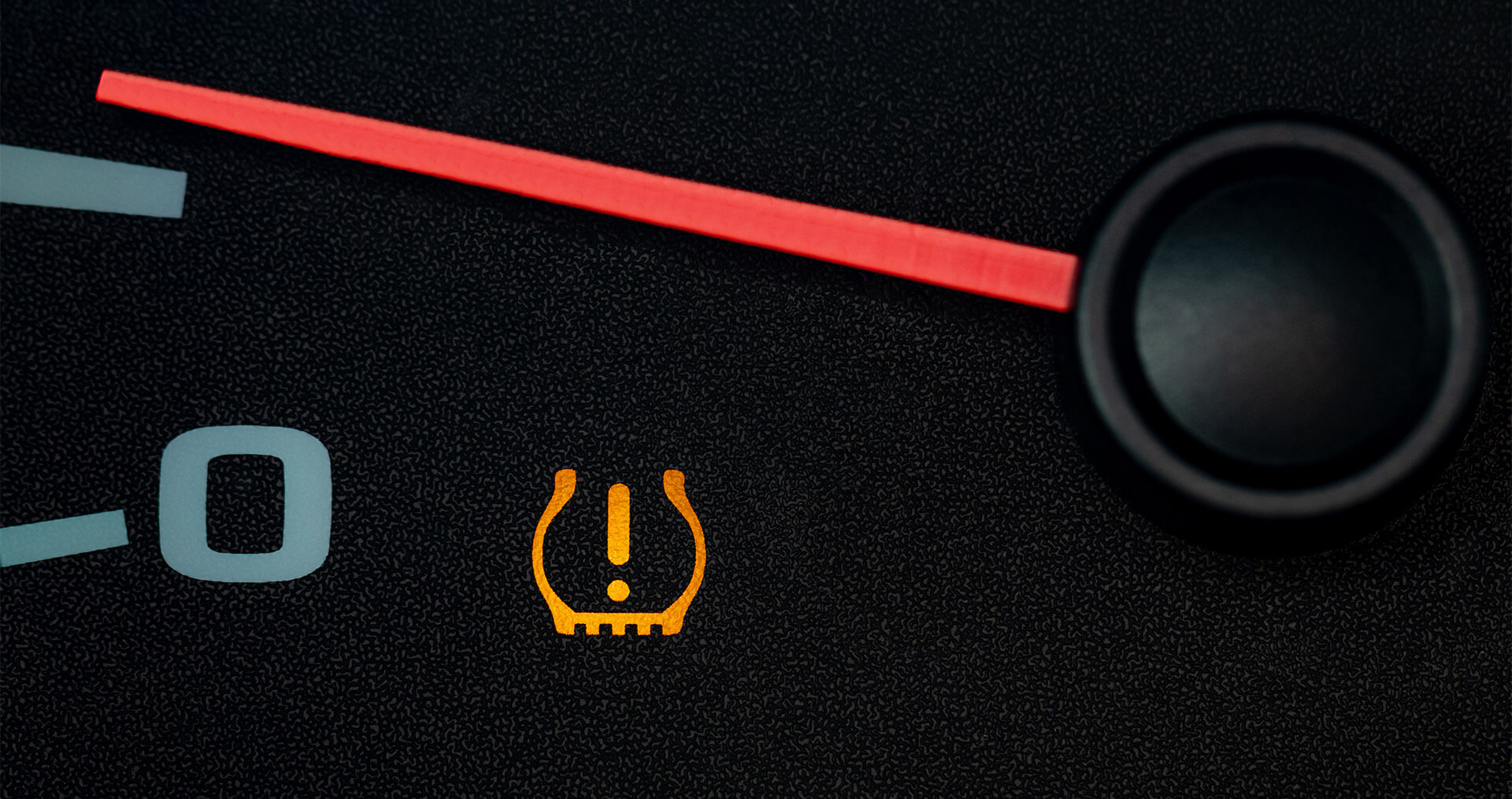
What it looks like: A yellow exclamation mark inside a flat horseshoe symbol.
What it means: The tyre pressure monitoring system has detected low tyre pressure or a possible sensor problem.
Can you continue driving? Slow down and check the tyres at the nearest safe location. Avoid sharp turns or sudden braking. If a tyre is visibly flat or damaged, do not continue driving.
While most mechanical and electrical failures, as well as gradual wear and tear is not covered by insurance, you can still get roadside assistance if the situation calls for it.
When Should You Call Roadside Assistance
Stop driving and request roadside assistance if:
A red oil pressure, temperature, or brake warning light stays on.
The check engine light is flashing.
The engine is shaking, overheating, or losing power.
The brakes or steering wheel feel different.
You see smoke or smell fuel or burning components.
Several warning lights appear at the same time.
The vehicle enters limp mode or cannot move safely.
Move your car away from traffic if it is safe to do so. Switch on the hazard lights, place a warning triangle behind the vehicle, and wait behind a safety barrier where possible. Avoid standing directly beside the car on a busy highway.
Make early preparation — learn what you should do if your car breaks down in the middle of the highway.
Can Insurance Cover Problems Caused by Dashboard Warning Lights?
The warning light itself does not determine whether your insurer will approve a claim. The cause of the damage matters.
Standard car insurance generally does not cover mechanical breakdowns, worn parts, poor maintenance, or gradual deterioration. For example, your insurer is unlikely to pay for an alternator that fails because of age.
However, comprehensive car insurance may cover damage caused by insured events such as an accident, fire, or theft. Flood damage usually requires Special Perils coverage.
Some comprehensive policies also include roadside assistance for jump-starts, tyre changes, minor onsite repairs, or towing. Benefits and towing limits differ between insurers, so review your policy wording before you need help. If you're a PolicyStreet customer, you can find the contact details for your insurer’s roadside assistance team here.
Learn more about the protection available in this comprehensive car insurance guide.
Stay Prepared for Unexpected Problems on the Road
Knowing the meaning of dashboard warning lights in Malaysia that drivers commonly encounter can prevent further damage and keep everyone in the car safer. When in doubt, pull over, check your owner’s manual, and seek professional assistance.
Protect yourself against unexpected roadside emergencies with comprehensive cover and roadside assistance. Compare and renew your car insurance and road tax online with PolicyStreet, then enjoy more value from your spending through the Drive+ membership programme.
Frequently Asked Questions
1. What is the most serious dashboard warning light?
Red oil pressure, engine temperature, and brake-system warning lights are among the most serious. Stop your vehicle safely and investigate the cause of the warning lights instead of continuing your journey.
2. Can I drive with the check engine light on?
Yes. You may drive cautiously to a workshop if the light is steady and the car behaves normally. Stop and call for help if it flashes, the engine shakes, or power drops.
3. Why do all dashboard lights appear when I start my car?
This is normally a system self-check. The lights should switch off shortly after the engine starts. A light that remains on may indicate a fault.
4. Does car insurance pay for dashboard warning light repairs?
Usually no, if the problem results from wear and tear, poor maintenance, or mechanical breakdown. However, damage caused by a covered accident, fire, or other insured event may be claimable.
5. What should I do if several warning lights appear together?
Pull over somewhere safe. Multiple warning lights may indicate an electrical or charging-system fault, especially if the battery light is also on.
6. Can roadside assistance diagnose a warning light?
Roadside technicians may perform basic checks, but a workshop diagnostic scan is often needed to identify the actual problem behind the warning light.
7. Why did the warning light disappear by itself?
The fault may be intermittent, but that does not always mean it has been resolved. A diagnostic scan can reveal stored error codes and help determine whether repairs are required.


