
Petrol vs Hybrid vs EV: Total Ownership Cost Comparison in Malaysia
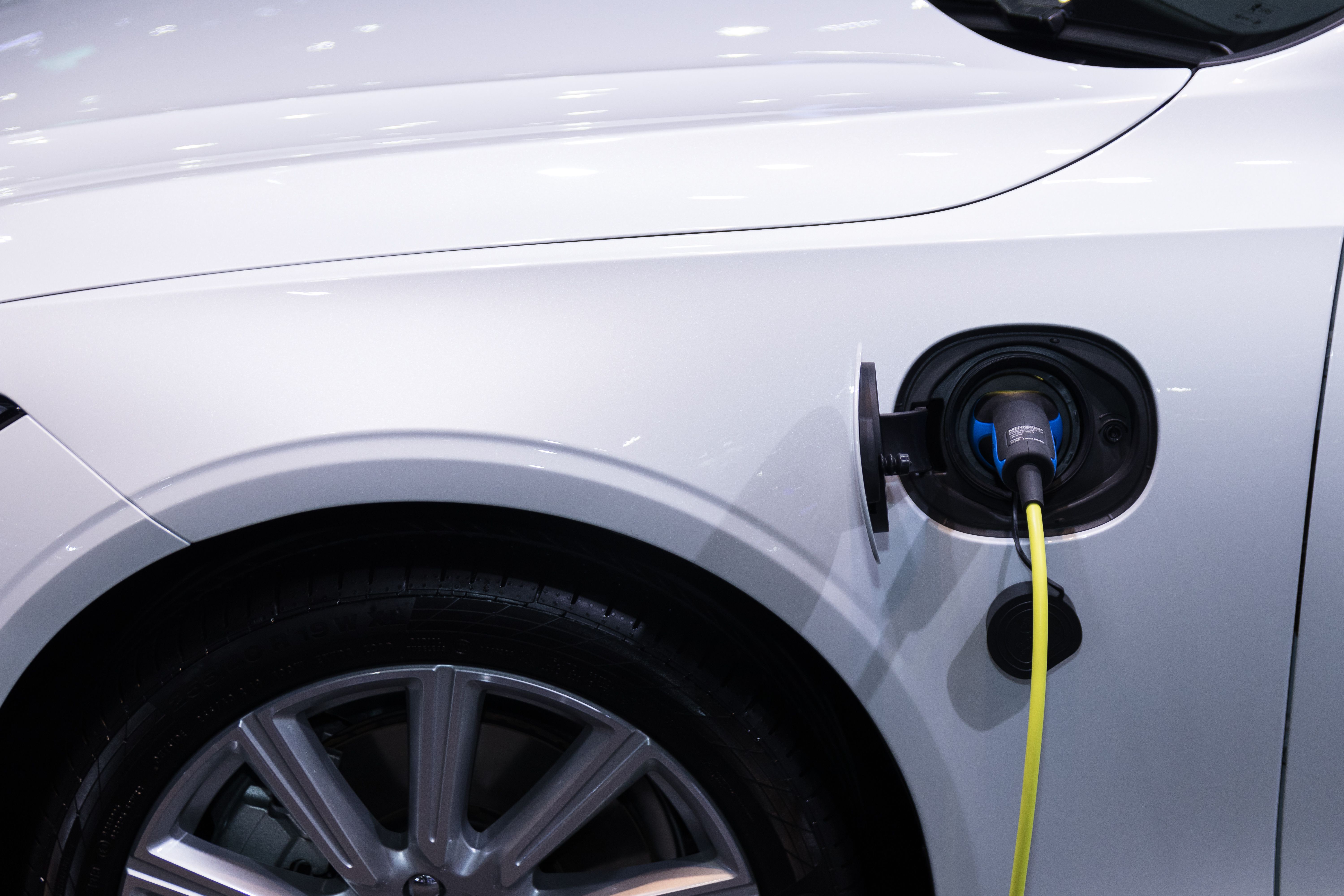
Choosing the right car today involves more than just looking at the purchase price. Malaysian drivers increasingly compare petrol cars, hybrid vehicles, and electric vehicles (EVs) based on their total cost of ownership.
Total ownership cost includes several factors such as fuel or charging expenses, maintenance, depreciation, and insurance premiums. Research from the Economic Research Institute for ASEAN and East Asia shows that total cost of ownership for electric vehicles in ASEAN markets can become competitive with petrol vehicles depending on electricity prices, incentives, and driving patterns.
Understanding these long-term costs can help drivers choose the vehicle type that offers the best value over time.
Petrol Cars: Lower Upfront Cost
Petrol vehicles remain the most common type of car in Malaysia.
One reason is their relatively lower purchase price compared to hybrid and electric vehicles. Petrol cars also benefit from a well-established servicing network across the country.
Parts are widely available, and most workshops can handle routine repairs.
However, petrol vehicles rely entirely on fuel, which means long-term running costs can increase depending on fuel prices and driving distance.
Insurance premiums for petrol vehicles are generally stable because insurers have extensive historical data about repair costs and claim patterns.
Hybrid Cars: Fuel Efficiency Advantage
Hybrid cars combine a petrol engine with an electric motor to improve fuel efficiency.
This allows drivers to consume less fuel, particularly during city driving where the electric motor can assist the engine.
Although hybrid vehicles are usually more expensive to purchase than petrol cars, their fuel savings over time can help balance the initial price difference.
Maintenance costs are generally similar to petrol vehicles, although hybrid systems and batteries may eventually require servicing or replacement.
Insurance premiums for hybrid cars can be slightly higher than petrol cars due to the additional components involved.
Electric Vehicles: Lower Running Costs
Electric vehicles are becoming increasingly popular in Malaysia as charging infrastructure expands.
EVs run entirely on electricity, which can significantly reduce daily operating costs compared to petrol vehicles.
Another advantage is that EVs have fewer moving mechanical parts, which can lower routine maintenance expenses.
However, EVs usually have a higher upfront purchase price, and battery replacement can be expensive. Because of this, EV insurance premiums are usually slightly higher compared to conventional petrol vehicles.
Comparing Total Ownership Costs
When comparing petrol, hybrid, and EV vehicles, several factors should be considered.
Fuel or electricity costs often represent the largest long-term expense for petrol vehicles, while EV owners benefit from lower charging costs.
Maintenance expenses can also vary depending on the vehicle type and its mechanical complexity.
Insurance is another important factor when calculating TCO, especially when comparing EV car insurance in Malaysia with conventional vehicles.
Insurance premiums are influenced by factors such as vehicle value, repair costs, and replacement parts availability.
Drivers can reduce some of these costs by choosing the right insurance plan and renewing their policy strategically.
Reducing Insurance Costs with Limited Promotions
Insurance costs are also an important part of total vehicle ownership expenses, regardless of whether you drive a petrol car, hybrid, or EV.
Drivers can potentially reduce their insurance expenses by comparing coverage options carefully and taking advantage of verified promotions or membership benefits available during renewal periods.
PolicyStreet currently offers selected payment partner promotions, including:
5% OFF with Atome
10% OFF with SPayLater
RM30 OFF with Ahapay
In addition, eligible Drive+ members get to enjoy road tax discounts depending on their membership tier:
Lite: capped at RM50
Standard: capped at RM90
Premium: capped at RM120
These savings can help reduce overall vehicle ownership costs over time.
Choosing the Right Vehicle for Long-Term Savings
Each vehicle type offers different advantages depending on driving habits and budget.
Petrol cars remain affordable and widely supported by service networks. Hybrid vehicles offer better fuel efficiency, while EVs provide lower day-to-day running costs for drivers who have access to charging infrastructure.
By comparing total ownership costs, including fuel or charging expenses, maintenance, depreciation, and insurance coverage, Malaysian drivers can make more informed decisions about which vehicle type best suits their financial goals and lifestyle needs.
Frequently Asked Questions
Which vehicle type is the cheapest to own in Malaysia over five years?
The answer depends on your driving habits, mileage, maintenance costs, and fuel or charging expenses. While petrol cars often have lower purchase prices, hybrids and EVscan offer lower running costs over time.
Are EVs cheaper to run than petrol cars?
In most cases, yes. Electricity costs are generally lower than petrol costs, and EVs typically require less maintenance.
What costs should I consider besides the vehicle price?
You should factor in fuel or charging costs, road tax, insurance, maintenance, depreciation, and resale value when calculating total ownership costs.
How does insurance differ between petrol, hybrid, and EV vehicles?
Insurance premiums can vary depending on vehicle value, repair costs, battery systems, and replacement part availability. Drivers should compare coverage options before purchasing a vehicle.


